Here’s the thing about CLAT current affairs – it’s not just about memorizing random facts from newspapers. The 10 Must-Master Current Affairs Themes for CLAT 2027: Economy, Environment, and Legal Updates represent the backbone of what examiners actually test. These aren’t scattered topics but interconnected themes that shape India’s legal and policy landscape.
You know what makes the difference between scoring 25 and 35+ in the GK section? Understanding these high-yield areas that consistently appear in CLAT papers. We’re talking about COP30 climate negotiations, economic indicators like CPI and WPI, major constitutional developments, and landmark Supreme Court judgments that define contemporary legal thinking.
Key Takeaways
• Economic themes including monetary policy, budget allocations, and inflation trends form 30-35% of CLAT current affairs questions
• Environmental law developments from international climate summits to domestic pollution control measures are increasingly prominent
• Constitutional amendments and Supreme Court judgments provide the legal foundation that connects current events to jurisprudence
• Space missions and technological advances reflect India’s growing global influence and innovation capacity
• Quiz-based revision tools help consolidate these themes more effectively than passive reading
Understanding the CLAT 2027 Current Affairs Landscape
The current affairs section in CLAT has evolved significantly. Gone are the days when random factual knowledge could guarantee success. Today’s 10 Must-Master Current Affairs Themes for CLAT 2027: Economy, Environment, and Legal Updates demand analytical understanding of how events interconnect [1].
What’s Changed in CLAT Current Affairs?
The Consortium of NLUs has shifted focus toward contemporary issues with legal implications. This means environmental policies aren’t just about knowing treaty names – you need to understand their constitutional validity and judicial interpretations.
Economic developments now require comprehension of their legal framework. When the RBI announces monetary policy changes, CLAT questions explore the constitutional provisions that enable such decisions.
The Three Pillars Approach
Smart aspirants organize current affairs around three fundamental pillars:
- Economic developments and their legal implications
- Environmental policies and constitutional challenges
- Legal updates that shape contemporary jurisprudence
This framework ensures comprehensive coverage while maintaining manageable study loads. Master CLAT Current Affairs Without Daily Newspapers 2026 provides detailed strategies for efficient preparation.
Economic Themes That Define CLAT 2027
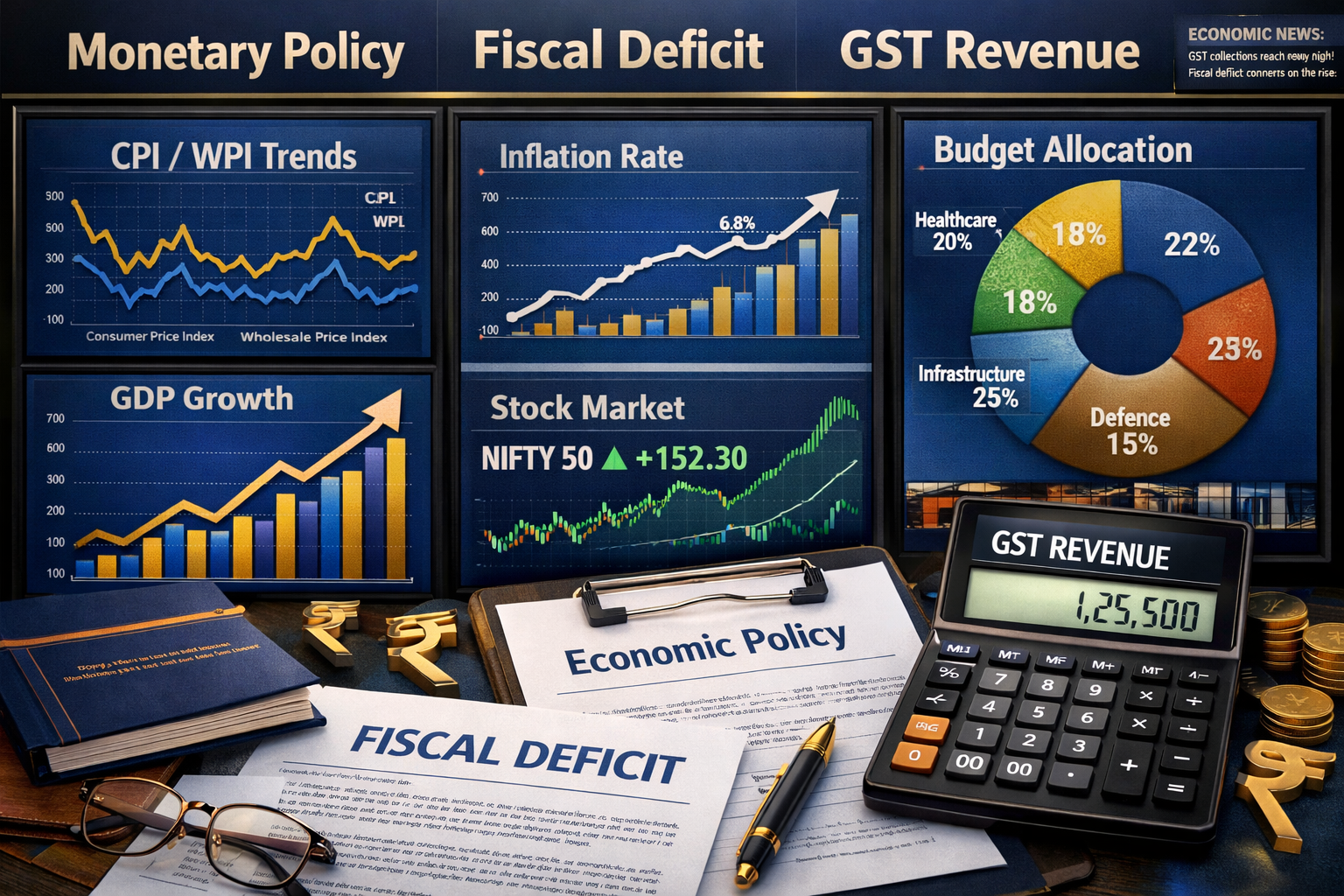
Economic current affairs in CLAT aren’t about complex calculations or detailed policy analysis. They focus on understanding how economic decisions impact legal frameworks and constitutional provisions [2].
Consumer Price Index (CPI) and Wholesale Price Index (WPI)
Why These Matter for CLAT
CPI and WPI aren’t just economic indicators – they trigger constitutional mechanisms. When inflation crosses certain thresholds, it activates government responses that have legal implications.
Recent developments include:
- CPI trends affecting monetary policy decisions
- WPI fluctuations influencing trade regulations
- Core inflation metrics guiding fiscal policy
Legal Connections to Remember
The Reserve Bank of India’s inflation targeting mandate comes from specific legislative provisions. Understanding this connection helps answer questions that link economic policy with constitutional law.
Budget Allocations and Fiscal Policy
Key Areas for CLAT 2027
The Union Budget isn’t just about numbers – it’s about constitutional priorities and legal mandates [3]. Focus on:
- Education and healthcare allocations under Directive Principles
- Defense spending and national security provisions
- Social welfare schemes and their constitutional basis
- Infrastructure investments and concurrent list implications
Constitutional Framework
Budget allocations must align with constitutional directives. Questions often test understanding of how fiscal decisions reflect constitutional priorities.
Monetary Policy and Banking Regulations
RBI’s Constitutional Role
The Reserve Bank’s functions derive from specific constitutional and legislative provisions. Recent developments include:
- Interest rate decisions and their economic rationale
- Banking regulations affecting financial inclusion
- Digital currency initiatives and legal frameworks
- Cooperative banking reforms and federal implications
Understanding these connections helps tackle questions that seem economic but test legal knowledge.
GST and Tax Reforms
Federal Structure and Taxation
GST represents a fundamental shift in India’s federal tax structure. Key aspects include:
- Constitutional amendments enabling GST implementation
- GST Council as a federal institution
- Dispute resolution mechanisms between Center and states
- Compliance frameworks and their legal basis
Questions often explore how tax reforms reflect constitutional principles of federalism and cooperative governance.
Environmental Law and Policy Developments
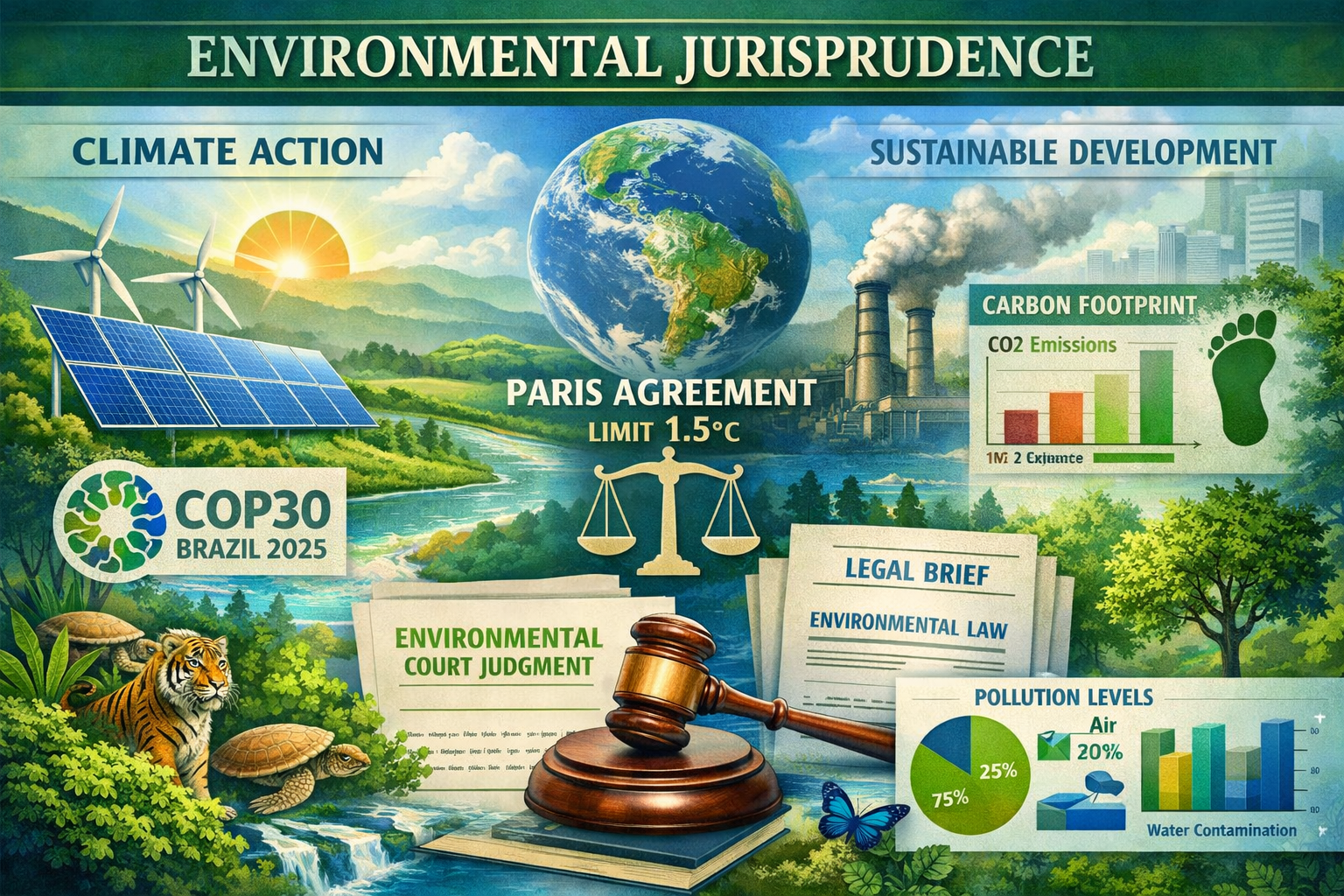
Environmental themes in CLAT 2027 reflect growing judicial activism and international commitments. The 10 Must-Master Current Affairs Themes for CLAT 2027: Economy, Environment, and Legal Updates heavily emphasize this area [4].
COP30 and International Climate Commitments
India’s Position and Legal Implications
COP30 negotiations involve commitments that require domestic legal implementation. Understanding this process helps answer complex questions about international law and domestic compliance.
Key Developments to Track
- Nationally Determined Contributions (NDCs) and their legal status
- Climate finance mechanisms and constitutional provisions
- Technology transfer agreements and intellectual property law
- Carbon markets and regulatory frameworks
Pollution Control and Judicial Interventions
Supreme Court’s Environmental Jurisprudence
The Supreme Court has developed extensive environmental jurisprudence through PIL cases and suo motu proceedings. Recent landmark cases include:
- Air pollution cases affecting Delhi and NCR
- Water pollution in rivers and groundwater protection
- Noise pollution regulations and enforcement mechanisms
- Solid waste management and municipal responsibilities
Constitutional Foundations
Environmental protection finds basis in Articles 21, 48A, and 51A(g). Understanding these connections helps tackle questions that link current environmental issues with constitutional law.
Renewable Energy and Legal Framework
Policy and Legal Developments
India’s renewable energy push involves complex legal frameworks spanning multiple jurisdictions:
- Solar and wind project approvals and land acquisition
- Grid integration and regulatory challenges
- Energy storage policies and technological adoption
- Green hydrogen initiatives and industrial policy
Biodiversity Conservation and Legal Protection
Wildlife Protection and Constitutional Mandate
Recent developments in wildlife protection reflect constitutional directives under Article 48A:
- Tiger reserves and community rights
- Marine protected areas and fishing regulations
- Migratory species protection and international cooperation
- Human-wildlife conflict and compensation mechanisms
Ultimate Legal News Strategy 2026: Crack CLAT Fast offers comprehensive coverage of environmental law developments.
Legal Updates and Constitutional Developments
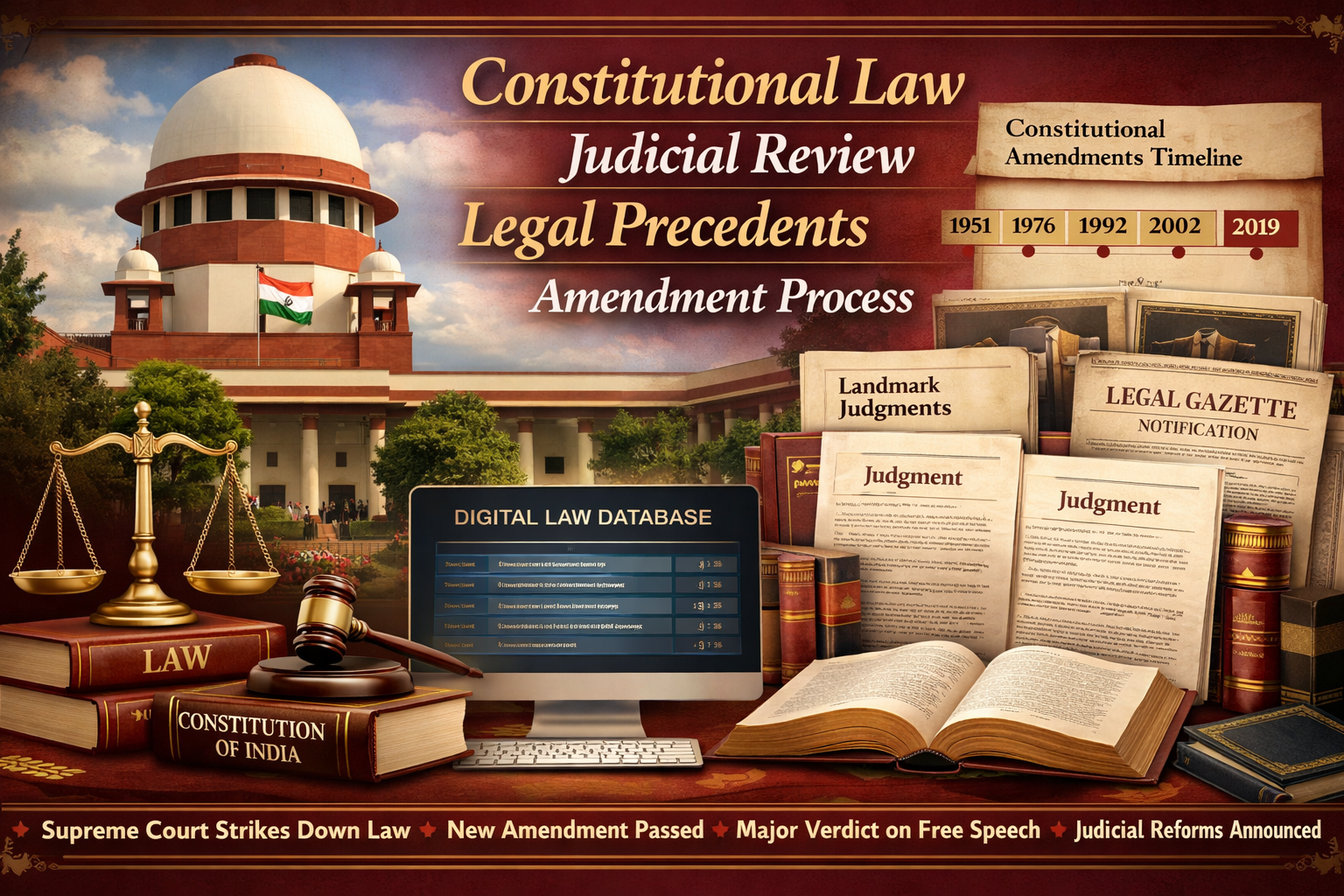
Legal current affairs form the core of CLAT preparation because they directly connect contemporary events with jurisprudential principles [5].
Supreme Court Landmark Judgments
Recent Constitutional Interpretations
The Supreme Court’s recent judgments have clarified several constitutional provisions:
Fundamental Rights Interpretations
- Right to Privacy applications in digital age
- Freedom of Speech in online spaces
- Right to Equality in reservation policies
- Right to Life expansions in healthcare access
Federal Structure Clarifications
- Center-State relations in concurrent subjects
- Governor’s powers and constitutional conventions
- Inter-state disputes and judicial resolution
- Emergency provisions and their contemporary relevance
Constitutional Amendments and Legislative Developments
Recent Amendment Processes
Understanding the amendment process helps analyze current political and legal developments:
- 103rd Amendment on economically weaker sections
- 104th Amendment extending SC/ST reservations
- Proposed amendments and their constitutional validity
- Amendment procedures under Article 368
Parliamentary Legislation and Legal Reforms
Major Legislative Developments
Recent parliamentary sessions have produced significant legislation affecting multiple areas:
Criminal Law Reforms
- New criminal codes replacing colonial-era laws
- Digital evidence provisions and procedural changes
- Victim rights and restorative justice elements
- Investigation procedures and technological integration
Civil Law Updates
- Arbitration law amendments and enforcement mechanisms
- Insolvency and bankruptcy code modifications
- Consumer protection law enhancements
- Data protection legislation and privacy rights
Judicial Reforms and Administrative Changes
Court System Modernization
Recent reforms aim to improve judicial efficiency and access:
- E-courts initiatives and digital case management
- Alternative dispute resolution mechanisms
- Judicial appointments and transparency measures
- Case backlog reduction strategies
Five Common Mistakes Aspirants Make in CLAT Legal Reasoning & How to Avoid Them helps connect legal updates with reasoning skills.
High-Yield Current Affairs Topics for CLAT 2027
Beyond the three main themes, several specific areas consistently generate CLAT questions [6].
Space Missions and Technological Achievements
ISRO’s Recent Successes
India’s space program reflects technological advancement and international cooperation:
- Chandrayaan missions and lunar exploration
- Mars missions and interplanetary capabilities
- Commercial satellite launches and space diplomacy
- Space policy frameworks and regulatory development
Electoral Reforms and Democratic Processes
Election Commission Initiatives
Recent electoral developments have constitutional and legal implications:
- Electronic voting systems and security measures
- Campaign finance regulations and transparency
- Voter registration drives and digital initiatives
- Election dispute resolution mechanisms
International Relations and Legal Implications
Bilateral and Multilateral Agreements
India’s international engagements often require domestic legal implementation:
- Trade agreements and constitutional provisions
- Defense cooperation and parliamentary approval
- Extradition treaties and judicial oversight
- International arbitration and sovereign immunity
Social Justice and Welfare Schemes
Constitutional Mandate Implementation
Government welfare schemes reflect constitutional directives:
- Health insurance schemes and right to health
- Education policies and fundamental rights
- Employment programs and directive principles
- Digital inclusion initiatives and equality principles
Ultimate CLAT GK Strategy 2026: Score Higher Guaranteed provides detailed coverage of these high-yield areas.
Quiz-Based Revision Strategies for Current Affairs
Effective revision of the 10 Must-Master Current Affairs Themes for CLAT 2027: Economy, Environment, and Legal Updates requires active recall and application-based practice [7].
Daily Quiz Protocols
Structured Daily Practice
Successful aspirants follow systematic quiz protocols:
Morning Quick Recall (15 minutes)
- 10 questions covering previous day’s reading
- Mix of factual and analytical questions
- Immediate feedback and explanation review
- Error pattern identification
Evening Application Quiz (30 minutes)
- 20 questions linking current affairs with legal principles
- Case-based scenarios requiring analytical thinking
- Cross-topic connections and synthesis
- Performance tracking and improvement metrics
Weekly Comprehensive Assessments
Integrated Topic Testing
Weekly assessments should integrate themes rather than test them in isolation:
- Economic-Legal connections through policy analysis
- Environmental-Constitutional links via judicial decisions
- Current Events-Historical context through precedent analysis
- National-International implications through comparative study
Monthly Mock Current Affairs Sections
CLAT-Pattern Practice
Monthly full-length current affairs sections help build exam stamina:
- 25 questions in 22 minutes matching CLAT timing
- Mixed difficulty levels reflecting actual exam patterns
- Negative marking practice for strategic answering
- Performance analytics for targeted improvement
Ultimate CLAT Revision Mastery 2026: Guaranteed Success offers comprehensive revision strategies.
Technology-Enhanced Learning Tools
Digital Platforms and Apps
Modern revision tools enhance traditional study methods:
Spaced Repetition Systems
- Automated review scheduling based on retention patterns
- Adaptive difficulty adjustment based on performance
- Cross-platform synchronization for consistent practice
- Progress tracking and goal setting features
Interactive Quiz Platforms
- Peer comparison and competitive elements
- Detailed explanation videos for complex topics
- Custom quiz creation for weak areas
- Integration with current affairs databases
Integration Strategies for Maximum Impact
The 10 Must-Master Current Affairs Themes for CLAT 2027: Economy, Environment, and Legal Updates work best when studied as interconnected systems rather than isolated topics [8].
Cross-Theme Analysis Techniques
Economic-Environmental Connections
Many current affairs questions test understanding of how economic policies affect environmental outcomes:
- Carbon pricing mechanisms and market regulations
- Green bonds and financial market development
- Renewable energy subsidies and fiscal policy
- Environmental compliance costs and business regulation
Legal-Economic Integration
Constitutional provisions shape economic policy implementation:
- Fundamental rights affecting business regulation
- Directive principles guiding economic planning
- Federal structure influencing tax and trade policies
- Judicial review of economic legislation
Case Study Methodology
Real-World Application
Effective preparation involves analyzing real cases that integrate multiple themes:
Environmental Clearance Cases
- Economic impact assessment requirements
- Constitutional environmental mandates
- Judicial oversight of administrative decisions
- Stakeholder rights and procedural fairness
Monetary Policy Decisions
- Constitutional basis of RBI independence
- Economic rationale for policy changes
- Parliamentary oversight and accountability
- International coordination and sovereignty
Current Affairs and Legal Reasoning Integration
Bridging Sections for Better Scores
Strong current affairs knowledge enhances legal reasoning performance:
- Contemporary legal issues appearing in reasoning passages
- Policy background helping understand legal principles
- Judicial trends reflected in reasoning questions
- Constitutional developments providing context for legal analysis
Ultimate CLAT Progress Assessment Techniques 2026 | Fast Results helps track integrated learning progress.
Building Your Current Affairs Study Schedule
Success with the 10 Must-Master Current Affairs Themes for CLAT 2027: Economy, Environment, and Legal Updates requires systematic scheduling and consistent execution.
Daily Study Routine
Morning Session (45 minutes)
- Current news analysis (20 minutes)
- Previous day’s quiz review (15 minutes)
- Theme-wise note updates (10 minutes)
Evening Session (30 minutes)
- Weekly magazine reading (15 minutes)
- Practice quiz attempt (15 minutes)
Weekly Deep Dives
Theme-Focused Sessions
Each week should include focused study of specific themes:
Monday: Economic Developments
- Policy announcements and their implications
- Statistical data and trend analysis
- Constitutional and legal frameworks
Wednesday: Environmental Updates
- International developments and agreements
- Domestic policy changes and court cases
- Scientific developments with legal implications
Friday: Legal and Constitutional News
- Supreme Court and High Court judgments
- Legislative developments and amendments
- Administrative law changes and reforms
Monthly Consolidation
Comprehensive Review Sessions
Monthly reviews ensure retention and integration:
- Theme integration exercises connecting different areas
- Mock test performance analysis and improvement
- Weak area identification and targeted practice
- Strategy adjustment based on performance trends
Prepare for CLAT in 6 Months: Complete Success Roadmap 2026 provides detailed scheduling frameworks.
Conclusion
Mastering the 10 Must-Master Current Affairs Themes for CLAT 2027: Economy, Environment, and Legal Updates isn’t about memorizing endless facts. It’s about understanding how contemporary developments connect with constitutional principles and legal frameworks.
Your success depends on building systematic knowledge of economic indicators like CPI and WPI, environmental policies from COP30 to domestic pollution control, and legal updates from Supreme Court judgments to parliamentary legislation. These themes consistently generate 60-70% of CLAT current affairs questions.
Your Next Steps:
- Start with theme-based organization rather than random current affairs reading
- Implement daily quiz protocols using the strategies outlined above
- Focus on integration between economic, environmental, and legal developments
- Track your progress through weekly assessments and monthly mock tests
- Adjust your strategy based on performance analytics and weak area identification
Remember, current affairs preparation is a marathon, not a sprint. Consistent daily effort with the right strategy will help you master these essential themes and achieve your target score in CLAT 2027.
The key is starting now with a structured approach. Your success is our mission, and with proven strategies that actually work, you’ll build the current affairs foundation needed for CLAT success.
References
[1] Clat Current Affairs 2026 The Ultimate Guide For Aspirants Part 1 – https://greatlearnpro.com/clat-current-affairs-2026-the-ultimate-guide-for-aspirants-part-1/[2] Current Affairs For Clat 2026 How To Prepare And Revise Like A Topper – https://www.flamesclat.com/blog/current-affairs-for-clat-2026-how-to-prepare-and-revise-like-a-topper/
[3] Watch – https://www.youtube.com/watch?v=JO3TymL7DeU
[4] Clat Gk Preparation Tips – https://www.toprankers.com/clat-gk-preparation-tips
[5] Top 10 Most Important Current Affairs For Clat 2026 – https://law.careers360.com/articles/top-10-most-important-current-affairs-for-clat-2026
[6] Current Affairs Quizzes – https://www.lawpreptutorial.com/free-resourses/clat/current-affairs-quizzes
[7] Playlist – https://www.youtube.com/playlist?list=PLwLP7Qu8Z1JF3nD9ePBOQDsqqXG2tZeWM
[8] Daily Current Affairs For Clat 2026 – https://clatgurukul.in/daily-current-affairs-for-clat-2026/